
Oil and gas rarely come out of the ground on their own. They arrive with water, dissolved salts and gases such as carbon dioxide and hydrogen sulphide, and on the way from the reservoir to the processing plant their pressure and temperature fall. These changes can make the fluids corrosive, make minerals come out of solution as scale, and cause wax deposits and stubborn emulsions. Production chemistry is the work of preventing or managing these problems, mostly with chemicals chosen for the field and applied at the right point and dose.
Corrosion
Carbon steel is used throughout oil and gas facilities, and produced water attacks it, especially when it carries dissolved carbon dioxide, hydrogen sulphide or oxygen. Left unchecked, corrosion thins tubing, pipelines and vessels until they leak, putting people, the environment and production at risk. Corrosion inhibitors form a protective film on the metal surface that slows the attack. Depending on the system, they are injected continuously or applied in batches.
Scale
When different waters mix, or when pressure and temperature change, dissolved minerals can come out of solution as hard deposits. Calcium carbonate and barium and strontium sulphates are common examples. Scale narrows tubing and flowlines, blocks perforations and screens, and can jam valves. Scale inhibitors, used at very low concentrations, stop crystals forming or growing. To protect the well itself, they are often pumped into the rock in a squeeze treatment, so that they return slowly with the produced water. Preventing scale is far easier than removing it: some types dissolve in acid, but others barely dissolve at all and have to be removed mechanically.
Emulsions
As oil and water pass through chokes, pumps and valves, they are broken into fine droplets, and natural compounds in the crude can keep the droplets apart, forming an emulsion. Emulsions are thick, slow down separation, and leave water in the oil and oil in the water, which affects both the quality of the crude and the treatment of the produced water. Demulsifiers help the droplets merge, so that oil and water separate cleanly in the time available.
Wax
Many crude oils contain paraffin wax that stays dissolved at reservoir temperature but forms crystals as the oil cools. The wax builds up on tubing and pipeline walls, narrowing them and making the oil harder to move. Paraffin inhibitors change the way the crystals form and stick, reducing deposits. They are often used alongside physical methods such as insulation, heating and pigging, which sends a cleaning tool (a pig) through the pipeline.
Water treatment
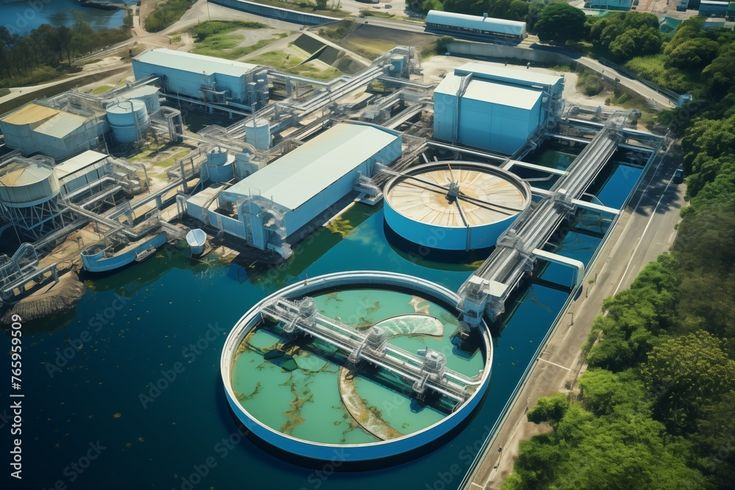
Produced water has to be treated before it is reinjected or disposed of. Water treatment chemicals help remove oil and solids, and in injection systems they control the bacteria, oxygen, scale and corrosion that would otherwise damage equipment and plug the injection wells.
Monitoring: the other half of the job
Chemicals work only at the right dose in the right place. Too little leaves equipment unprotected; too much wastes money and can cause new problems further down the process, such as foaming or emulsions. A chemical management programme sets dose rates, checks that injection pumps deliver them and measures the results, for example with corrosion coupons and probes, residual chemical tests, water analysis and the quality of the separated oil and water. Chemicals also have to be compatible with each other and with the materials they touch. As a field ages, its water production, temperatures and fluids change, so treatments need regular review rather than being set once and forgotten.
How Nextor can help
Nextor supplies and supports the application of oilfield chemicals essential for production optimisation and equipment protection. Its services cover the supply of production chemicals, corrosion and scale inhibitors, demulsifiers, paraffin inhibitors and water treatment chemicals, together with chemical management and monitoring support. Where corrosion is a concern, chemical treatment works best alongside regular inspection and asset integrity monitoring, which Nextor also supports. To discuss a treatment programme for your field, send us a message.
Oilfield chemicals and production chemistry
Supply and application support for the oilfield chemicals that optimise production and protect equipment, with chemical management and monitoring.